2025 in Review: Strategic Maturity in Life Sciences
16 Dec, 2025





Cardiology innovation is moving fast and so are the expectations on commercial teams.Technol...

Cardiology innovation is moving fast and so are the expectations on commercial teams.
Technologies like robotic-assisted valve repair and next-generation TAVR are no longer niche. They promise better outcomes and wider patient access, but also bring longer sales cycles, more complex buying decisions, and higher clinical scrutiny.
Organizations need commercial talent strategies focused on the realities of selling disruptive cardiology technologies like TAVR and robotic valve platforms. In this blog, we spotlight two technologies reshaping the sales landscape in cardiology and what this shift means for hiring.
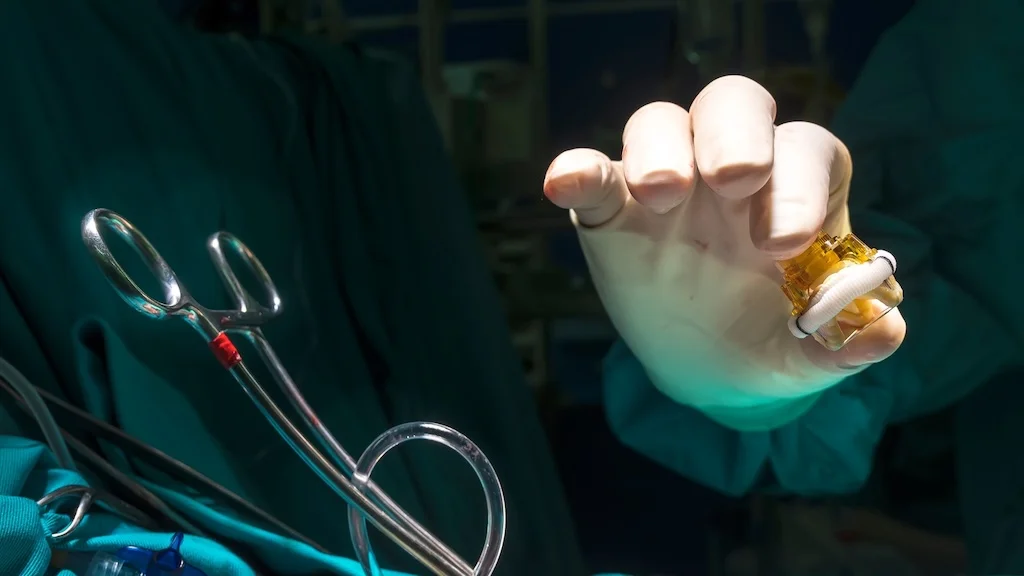
The evolution of transcatheter aortic valve replacement (TAVR) is a prime example of how clinical breakthroughs are changing the medical device commercial model. Devices like Anteris Technologies’ DurAVR® THV are both clinically impressive and commercially complex.
As TAVR expands into lower-risk patient groups and more geographies, the sales strategy must match its clinical sophistication.
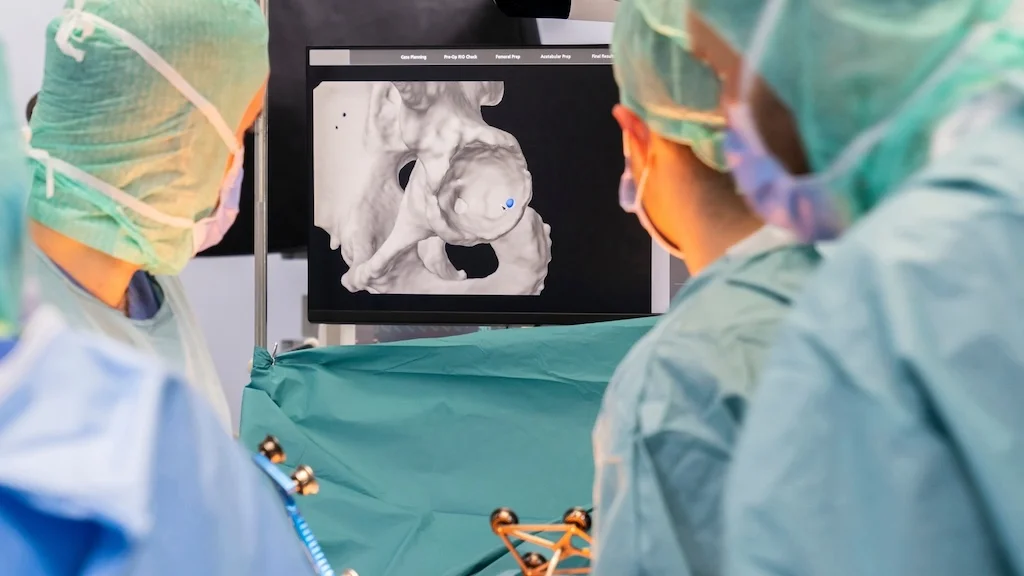
Robotic-assisted mitral valve repair is pushing cardiology into the surgical robotics arena, and that shift comes with high commercial stakes. CAPSTAN Medical’s platform, which achieved its first-in-human milestone in 2025, combines catheter-based delivery with robotic precision. This blend enables minimally invasive access to previously hard-to-reach anatomy and aims to reduce complications and recovery time.
Training and infrastructure: Systems must support robotic integration across surgical teams
Surgeon confidence: Early adopters must feel equipped to take on the learning curve
Reimbursement clarity: Commercial viability is often tied to billing pathways and long-term outcomes
The evolution of valve technologies has changed what 'good' looks like in medical device sales recruitment. Traditional reps, even experienced ones, often struggle to succeed in an environment where the conversation starts with imaging data, procedural impact, and cost-benefit analysis.
Leaders who act now will be better positioned to scale their impact as the cardiology market continues to evolve.
Technologies like DurAVR® and CAPSTAN’s robotic platform are changing how cardiology devices are sold. But even the best innovations will stall if teams can’t explain their value.
Now’s the time to assess your commercial readiness. Can your reps educate surgeons, support reimbursement, and manage procedural change? The answers will define future success.
Download the full cardiology whitepaper for deeper clinical insight, timelines, and strategic hiring advice.
Access the full whitepaper here
Emerging valve technologies like next-gen TAVR (e.g., Anteris’ DurAVR® THV) and robotic-assisted mitral repair (e.g., CAPSTAN’s platform) are transforming cardiology sales. These innovations deliver clinical breakthroughs but demand longer sales cycles, deeper clinical fluency, and stronger multi-stakeholder trust. Traditional reps often struggle in this environment—future-ready commercial teams must blend scientific credibility with commercial agility. Hiring now needs to prioritize adaptability, data-driven consultative skills, and the ability to guide workflow transformation. Leaders who align talent strategy with these shifts will gain a competitive edge in cardiology devices.