2025 in Review: Strategic Maturity in Life Sciences
16 Dec, 2025




Innovation in urology devices is moving faster than the hiring models built to support it. A...

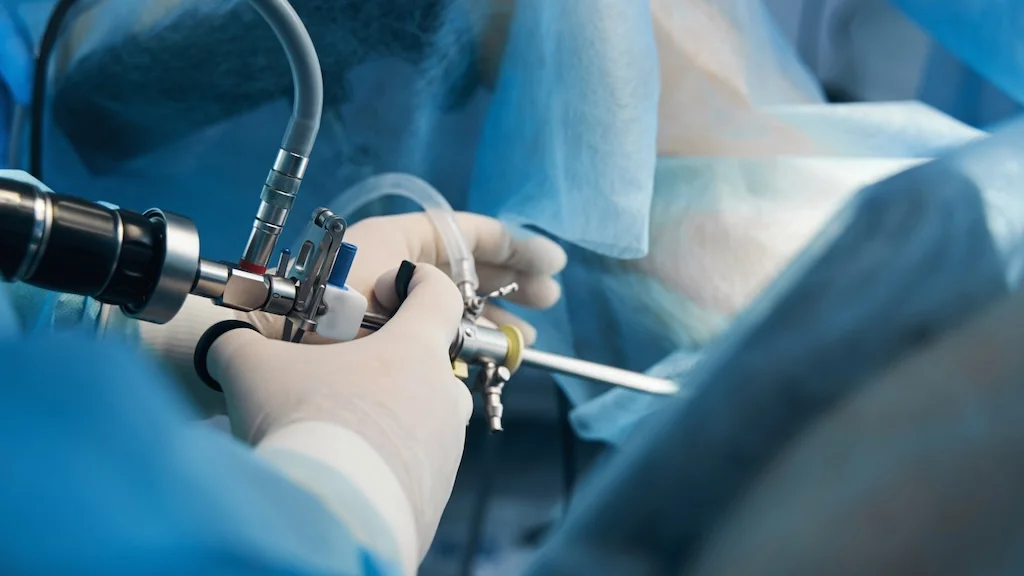
Innovation in urology devices is moving faster than the hiring models built to support it. As technologies like AquaBeam and Neuspera redefine what’s possible in minimally invasive treatment, commercial teams are under pressure to deliver more clinical insight, more technical fluency, and stronger procedural support. But legacy hiring practices still dominate.
This blog explores how disruptive urology devices are transforming the sales function and what hiring managers need to do to stay ahead. For deeper insights and data, you can also download our whitepaper on The Talent Behind Medical Device Innovation Within Urology.
Urology has become a testing ground for next-generation medical device. Devices now integrate AI-powered planning, robotic precision, and patient-specific treatment protocols. Yet many companies are still hiring commercial staff as if they were selling capital equipment from ten years ago. Sales success today depends on:
When hiring doesn’t reflect this complexity, companies risk underperformance.
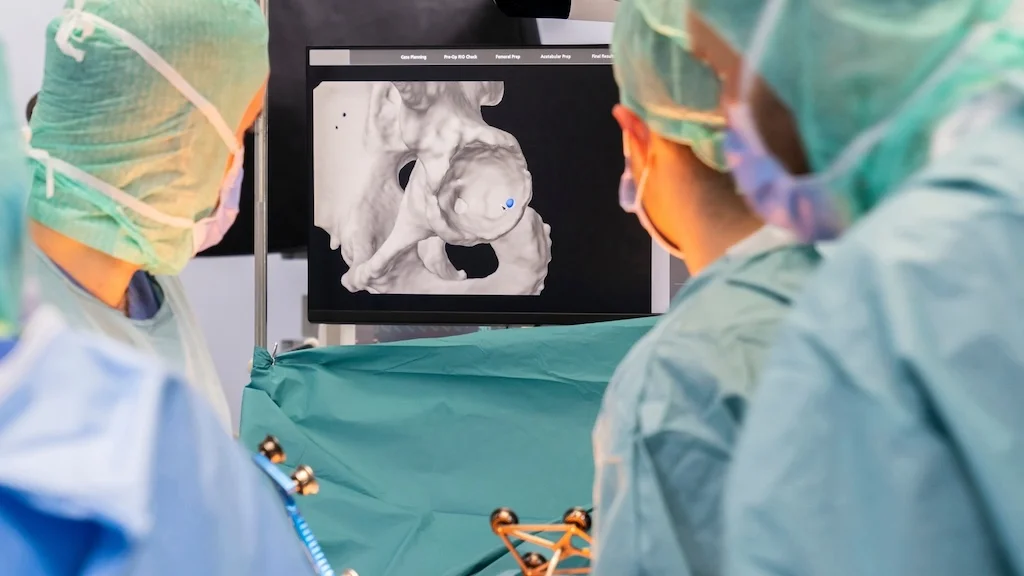
Procept BioRobotics’ AquaBeam platform uses real-time ultrasound and a high-velocity saline waterjet to perform precise, heat-free prostate tissue removal. It includes AI-assisted treatment planning that tailors interventions to each patient.
Neuspera Medical offers wireless sacral neuromodulation through a miniaturized implant powered by an external wearable. It's a completely different sales environment that’s less about product detail and more about patient journey and usability. That means commercial hires now need:
Traditional hiring specs often prioritise previous sales metrics or capital device experience. But that’s no longer enough.
Disruption in urology devices isn’t slowing down. However, talent strategies haven’t kept up.
As the report highlights, devices like AquaBeam and Neuspera are raising the bar for what commercial success looks like with deep procedural knowledge, AI literacy, and long-term clinical engagement.
The next wave of commercial hires will be instrumental in shaping how these technologies are perceived, implemented, and scaled. Whether navigating reimbursement for neuromodulation implants or enabling robotic platforms in OR workflows, the right talent will be a decisive growth driver.
For deeper insight into the talent implications across the urology sector, including adoption trends, clinical drivers, and evolving hiring models, download the full whitepaper.
Urology devices like AquaBeam and Neuspera are redefining minimally invasive treatment with AI, robotics, and patient-specific approaches. But most hiring models still rely on outdated sales profiles, leaving teams unprepared for today’s clinically complex, consultative sales environment. Success now requires hires with surgical fluency, AI literacy, and the ability to support procedural adoption. Future-ready talent strategies must prioritize specialized roles such as Clinical Sales Educators, AI System Specialists, and Workflow Consultants, because in urology, talent will be the real market differentiator.