CPHI Milan 2026: Investment Is Only Half the Story
20 Oct, 2026



Every conversation about clinical trials eventually comes back to one place: the research si...

Every conversation about clinical trials eventually comes back to one place: the research site. It's where patients are enrolled, where protocols become reality, and where the pressure of the whole industry lands.
That's why the SCRS Global Site Solutions Summit in Orlando is always one of the most valuable weeks of my year. Hosted by the Society for Clinical Research Sites, it brings sites, sponsors, CROs and solution providers into the same room to talk honestly about what's working and what isn't.
This year, a few themes came up again and again, in sessions, on the exhibition floor and over coffee. None of them are new, but the urgency felt different. Here's what stood out to me, and what I think it means for everyone involved in getting trials over the line.
If you're interested in where the wider life sciences workforce is heading, our 2026 Workforce Outlook is a useful companion read.
There's still a lot of concern around budgets, rising costs and payment timelines. Winning more studies isn't the goal on its own; making sure those studies are actually profitable is.
Delayed payments and holdbacks put real strain on site cash flow, especially for independent sites without a large network behind them. SCRS has a dedicated initiative tackling the financial burden on sites for exactly this reason. For sponsors and CROs, realistic budgets and timely payments aren't a nice-to-have. They're what keeps experienced sites in the game.
There's a real need for better communication and collaboration. Sites want a seat at the table earlier, especially around feasibility, enrollment expectations and what they can realistically deliver.
When sites are brought in late, expectations get set without the people who have to meet them. That's when enrollment targets slip and relationships get strained. The strongest partnerships start with honest, two-way conversations, with clinical development and operations teams hearing site input before protocols are locked.
AI was everywhere in the conversations this year. But I think the bigger question is practical: how does it actually make life easier for sites, instead of creating more work?
A new tool that adds logins, training and data entry isn't a solution. The technology that wins will be the one that quietly removes work from a coordinator's day, whether that's smarter pre-screening, cleaner data capture or less duplicate reporting. Getting there takes people who understand both the technology and the site reality, which is why demand for AI talent in life sciences and biometrics and data specialists keeps growing.
Finding good people is only part of the challenge. Keeping them, developing strong leaders and making sure teams aren't stretched too thin is just as important.
Experienced coordinators and site leaders are hard to replace, and burnout shows up quickly in data quality and enrolment. Building the right clinical operations teams is as much about retention and development as it is about hiring. Flexible resourcing helps too: contract and interim support can cover a study peak without overloading a permanent team, while permanent hiring and executive search build the leadership sites need for the long term.
Sites are being asked to do more with less. Reducing administrative work and unnecessary processes would free up time for what really matters: the patients.
Every duplicated form, redundant system or extra sign-off is time taken away from patient care. Simpler study start-up, more consistent documents across sponsors and less overlap in reporting would make a visible difference to site workload and to the patient experience. For more on the people who make trials happen, read our Clinical Trials Day 2026 blog.
Taking on more studies doesn't necessarily translate into more revenue or success. Without the right infrastructure, people and resources to support them, growth can stretch a site to breaking point.
Sustainable growth starts with knowing your true capacity: how many studies your team can run well, where the gaps are and what support you need before saying yes to the next one. Sometimes the smartest growth decision is choosing the right studies, not more of them.
I think there's an opportunity for everyone to work together a little differently.
That's the spirit of SCRS's mission: giving sites a real voice in the decisions that affect them. It's also why our team spends time at events like SCRS. You can see where we'll be next on our conferences page.
We spend a lot of time talking about how to make clinical trials faster and more efficient. But we can't keep adding expectations to sites without giving them the resources to be successful.
Resources means fair budgets and timely payments, a voice in feasibility, technology that genuinely helps, and teams that are properly staffed and supported.
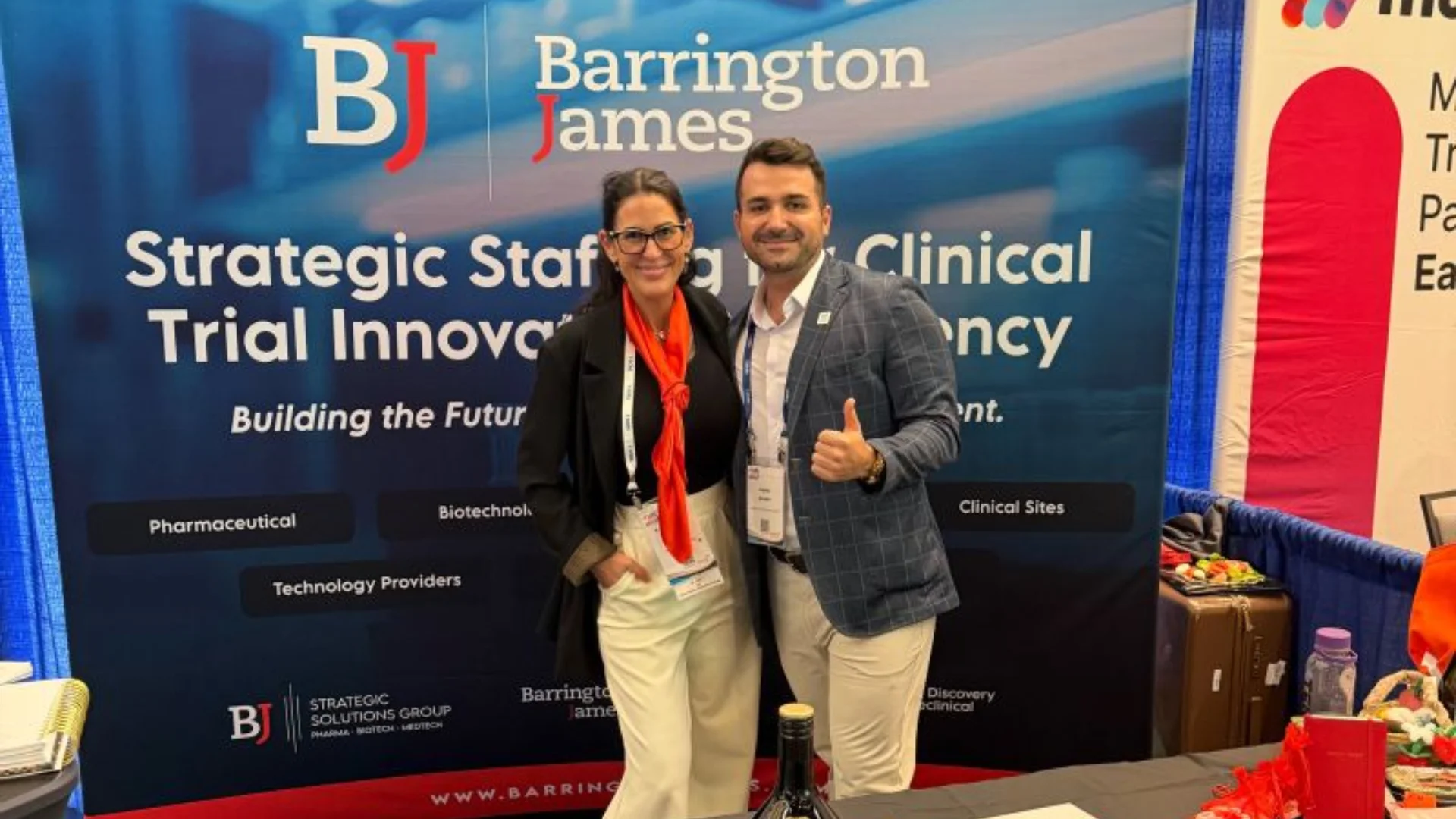
At the end of the day, if our sites aren't successful, neither are our trials.
Whether you're running a site, building a sponsor or CRO team, or rethinking how you partner with sites, I'd love to hear what you took away from SCRS this year.
If you're building a team to support your sites or studies, you can talk to our team directly, or explore more Barrington James insights.
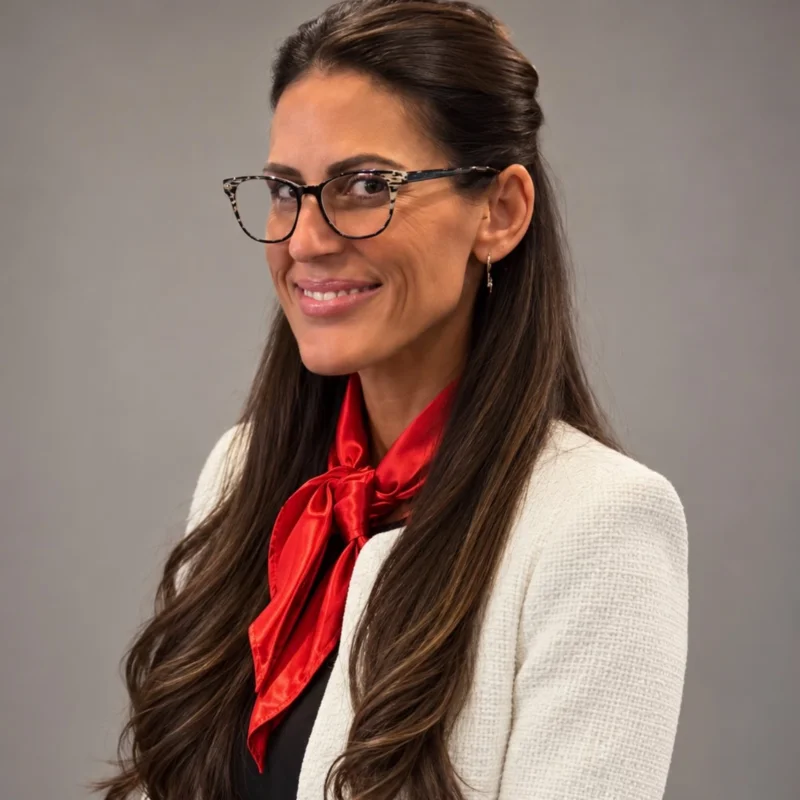
Connect with Lisamarie O'Brien on LinkedIn, Commercial Growth Leader at Barrington James, focused on strategic partnerships across life sciences and connecting the right people, companies and opportunities.